Neonatal jaundice is generally classified into two main types:
1. Physiological jaundice
The most common type, appearing in roughly 50–60% of full-term newborns
Onset typically after 24 hours of life, peaking around day 3–5, and resolving by 1–2 weeks
Caused by the normal breakdown of excess fetal red blood cells combined with the newborn liver's immature ability to conjugate and excrete bilirubin
Usually mild and self-limiting, requiring no treatment beyond monitoring (and often supported by frequent, effective feeding)
2. Pathological jaundice
Appears within the first 24 hours of life (a key red flag), or persists beyond 2 weeks, or bilirubin rises unusually fast/high
Caused by an underlying condition rather than normal physiology — common causes include:
Blood group incompatibility (Rh or ABO)
G6PD deficiency
Sepsis or infection
Hepatic/biliary dysfunction (e.g. biliary atresia)
Bruising/cephalohematoma from birth trauma
Requires investigation and active management {phototherapy (SEE PHOTO IN SECTION BELOW) , and in severe cases exchange transfusion}, since untreated high bilirubin carries a risk of kernicterus
Some classifications also separate out breastfeeding jaundice (early, related to insufficient intake in the first days) and breast milk jaundice (later onset, prolonged, related to substances in breast milk affecting bilirubin metabolism) as a distinct subcategory sitting between these two — worth knowing since distinguishing this from pathological jaundice is often the key clinical question when a breastfed baby stays yellow past two weeks.
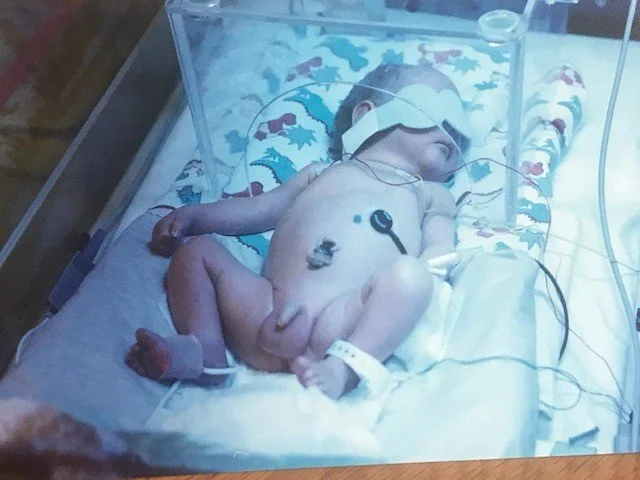
PHOTOTHERAPY FOR JAUNDICE