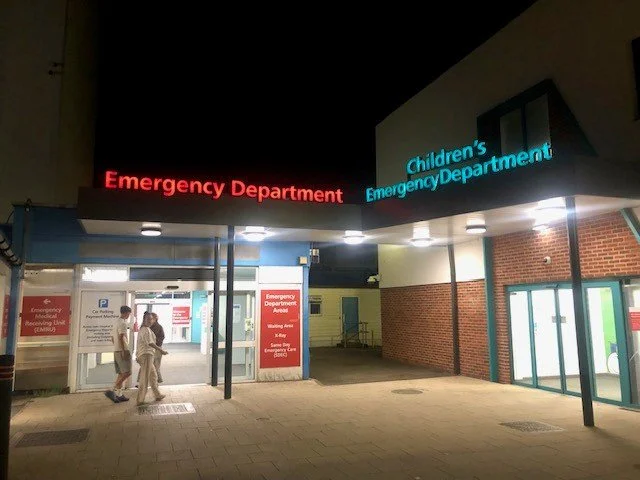
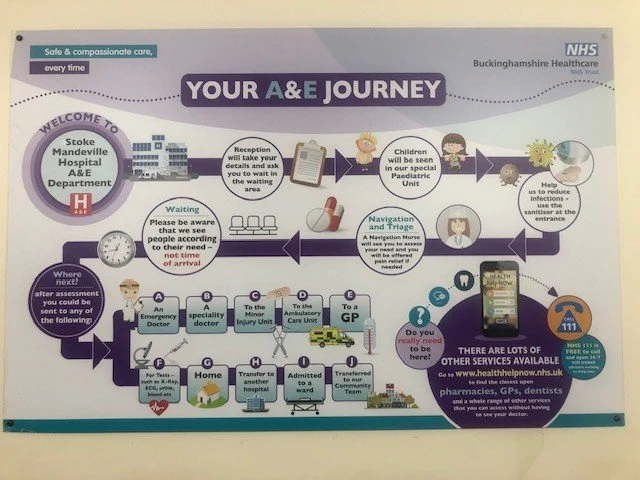
Stoke Mandeville Hospital hosts nextdoor to the Waddesdon/ Rothschild Wings (where NHS Infant Feeding services live), the whole region’s A + E department as well as (SDEC..Same Day Emergency Clinic)
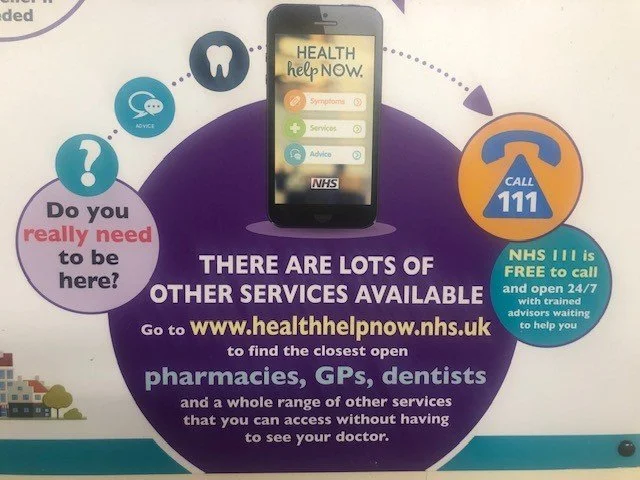
999 / NHS 111 / EMS
South Central Ambulance Service NHS Foundation Trust (SCAS)
In June 2011, SCAS was named England's top performing ambulance service and our local ambulance services play a vital role in the healthcare system by ensuring timely access to emergency medical services (EMS). They are essential for saving lives and providing critical support during medical emergencies, making them a cornerstone of community health services

CHILDLINE 08001111 RAPE CRISIS 01296392468 WOMENS AID 01296368827 PAPYRUS TXT 07786209697 SAFE HAVEN 01296453017 DOMESTIC ABUSE 08082000247 LOCAL DV NUMBER TO CALL 24/7 01296437777 SHELTER 08088004444 OLD TEA WAREHOUSE HOMELESSNESS01494753920 MIND 01296437328 CAB 08001448848SANE LINE 03003047000 4PM TO 10:30 PMMIND INFO 03001233393 STAYING SAFE www.stayingsafe.net RESPECT MEN’S ADVICE LINE (MON - FRI) 0808 8010327

Here are the key postpartum emergency conditions to be aware of — these matter clinically since early recognition dramatically changes outcomes:
Postpartum Haemorrhage (PPH)
The most common serious postpartum emergency — defined as blood loss over 500ml (vaginal) or 1000ml (C-section)
Primary PPH: within 24 hours of birth — most often caused by uterine atony (uterus fails to contract),
retained placenta, trauma/tears, or clotting disorders
Secondary PPH: from 24 hours to 12 weeks postpartum — usually due to retained products of conception
or infection
Red flags: soaking through a pad in under an hour, large clots, dizziness, rapid heart rate
Pre-eclampsia / Eclampsia (postpartum onset)
Can develop after birth, even in women with no prior signs during pregnancy —
most commonly within 48 hours but can occur up to 6 weeks postpartum
Symptoms: severe headache, visual disturbances, upper right abdominal pain,
sudden swelling, high blood pressure
Untreated, can progress to eclamptic seizures or HELLP syndrome (Haemolysis,
Elevated Liver enzymes, Low Platelets)
Venous Thromboembolism (VTE) — DVT/Pulmonary Embolism
Pregnancy and postpartum carry significantly elevated clotting risk for up to 12 weeks
DVT signs: unilateral leg swelling, pain, warmth
PE signs (medical emergency): sudden breathlessness, chest pain, coughing blood, rapid heart rate
Puerperal Sepsis
Infection of the genital tract postpartum — can escalate to sepsis rapidly
Signs: fever, foul-smelling lochia, abdominal pain, rapid heart rate, confusion
Historically one of the leading causes of maternal death; still requires urgent antibiotic treatment
Postpartum Cardiomyopathy
Rare but serious heart failure developing in the last month of pregnancy to 5 months postpartum
Symptoms overlap with normal postpartum fatigue (breathlessness, swelling), which can delay diagnosis — key differentiator is severity/rapid progression and orthopnea (breathlessness lying flat)
Postpartum Psychosis
A psychiatric emergency (distinct from postpartum depression) — onset typically within the first 2 weeks
Symptoms: severe confusion, hallucinations, delusions, rapid mood swings
Requires immediate psychiatric intervention; carries risk to mother and infant safetyUterine Inversion / Rupture
Rare, but rapid-onset and severe when they occur — usually intrapartum or immediately postpartum, associated with sudden severe pain, haemorrhage, and shock


If you feel unsafe on a night out ask the bar staff for ‘Angela”